
Food is one of the most practical parts of living vegan. Once you know a few simple ingredients, swaps and cooking methods, everyday meals become much easier.
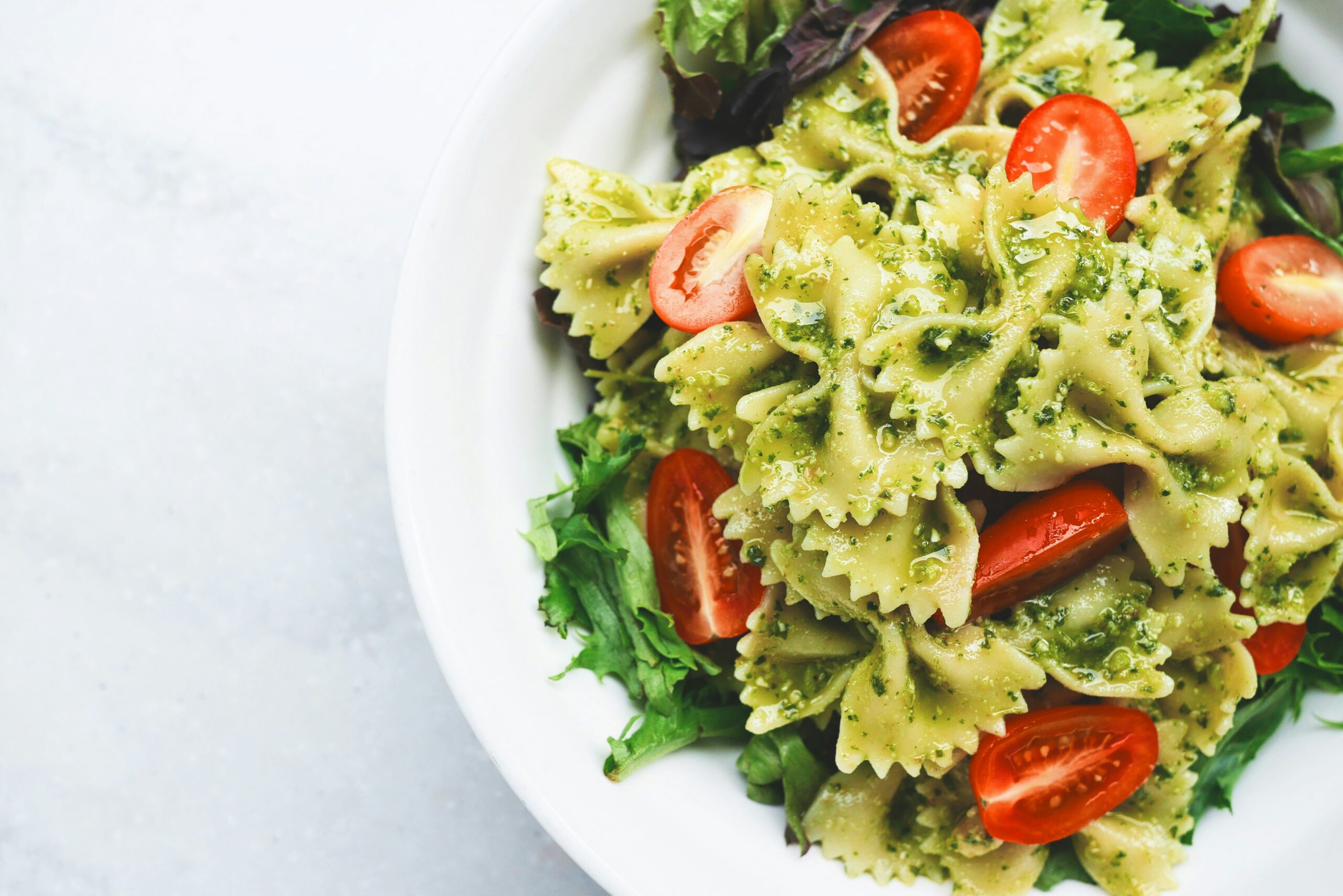
Vegan cooking does not require a completely new way of eating. Many familiar meals can be made vegan by using vegetables, grains, legumes, tofu, tempeh, nuts, seeds, herbs, spices and other animal-free ingredients. Pasta dishes, stir-fries, curries, soups, stews, salads, burgers, wraps, breakfasts, baking and desserts can all be made without using animals.
This page brings together practical ideas for stocking your kitchen, preparing meals and finding recipes that support living vegan.
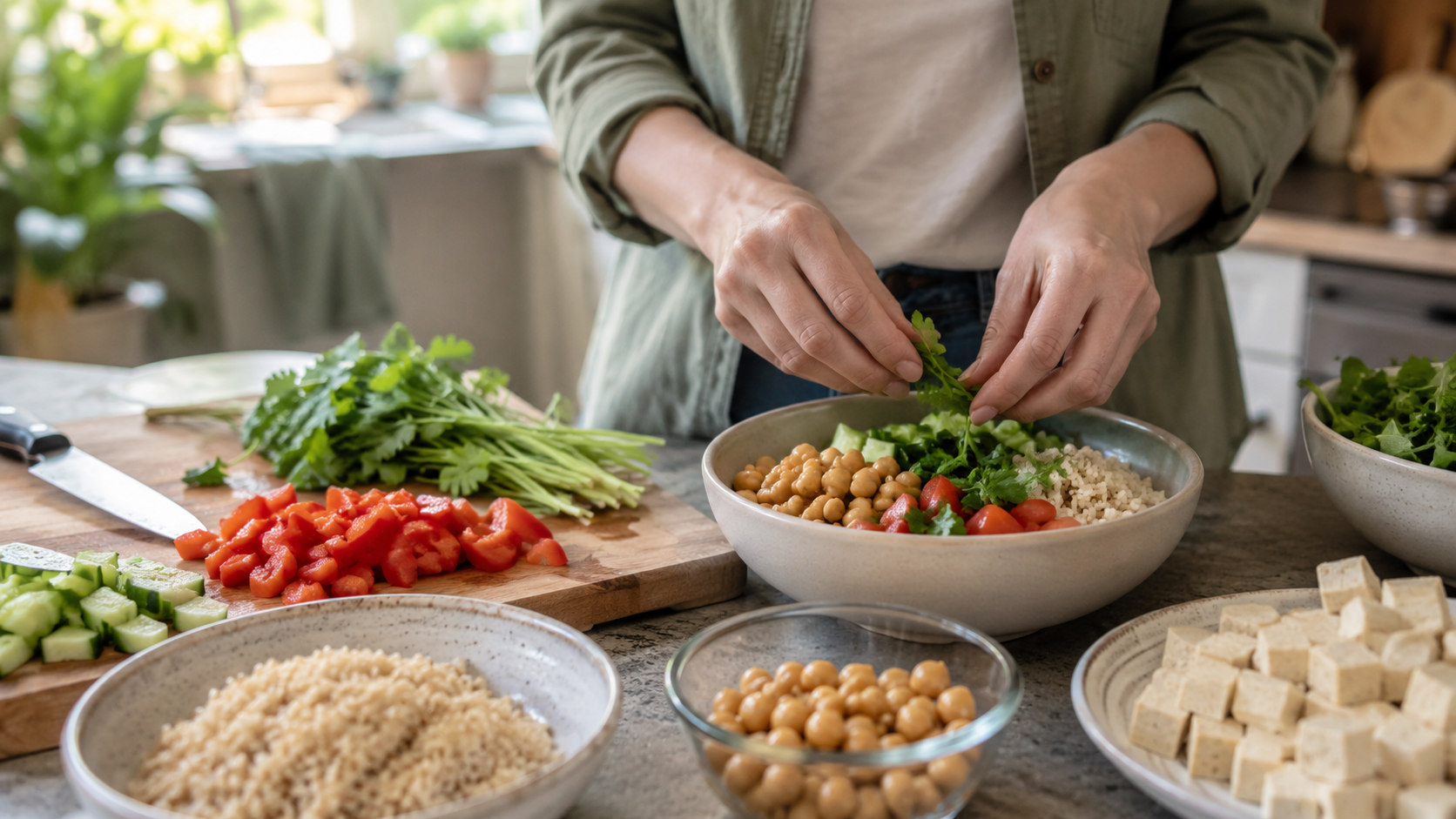
A well-stocked pantry, fridge and freezer can make vegan cooking simpler, cheaper and more flexible. You do not need to buy everything at once. Start with a few useful staples and build from there.
Useful foods to keep on hand include:
Legumes: beans, lentils, chickpeas, split peas, edamame and peas.
Grains and grain foods: rice, oats, pasta, noodles, quinoa, couscous, barley, bread and wraps.
Nuts and seeds: almonds, walnuts, Brazil nuts, cashews, sesame seeds, chia seeds, flaxseeds, hemp seeds and pumpkin seeds.
Vegan protein foods: tofu, tempeh, seitan, textured vegetable protein, lentils, beans and chickpeas.
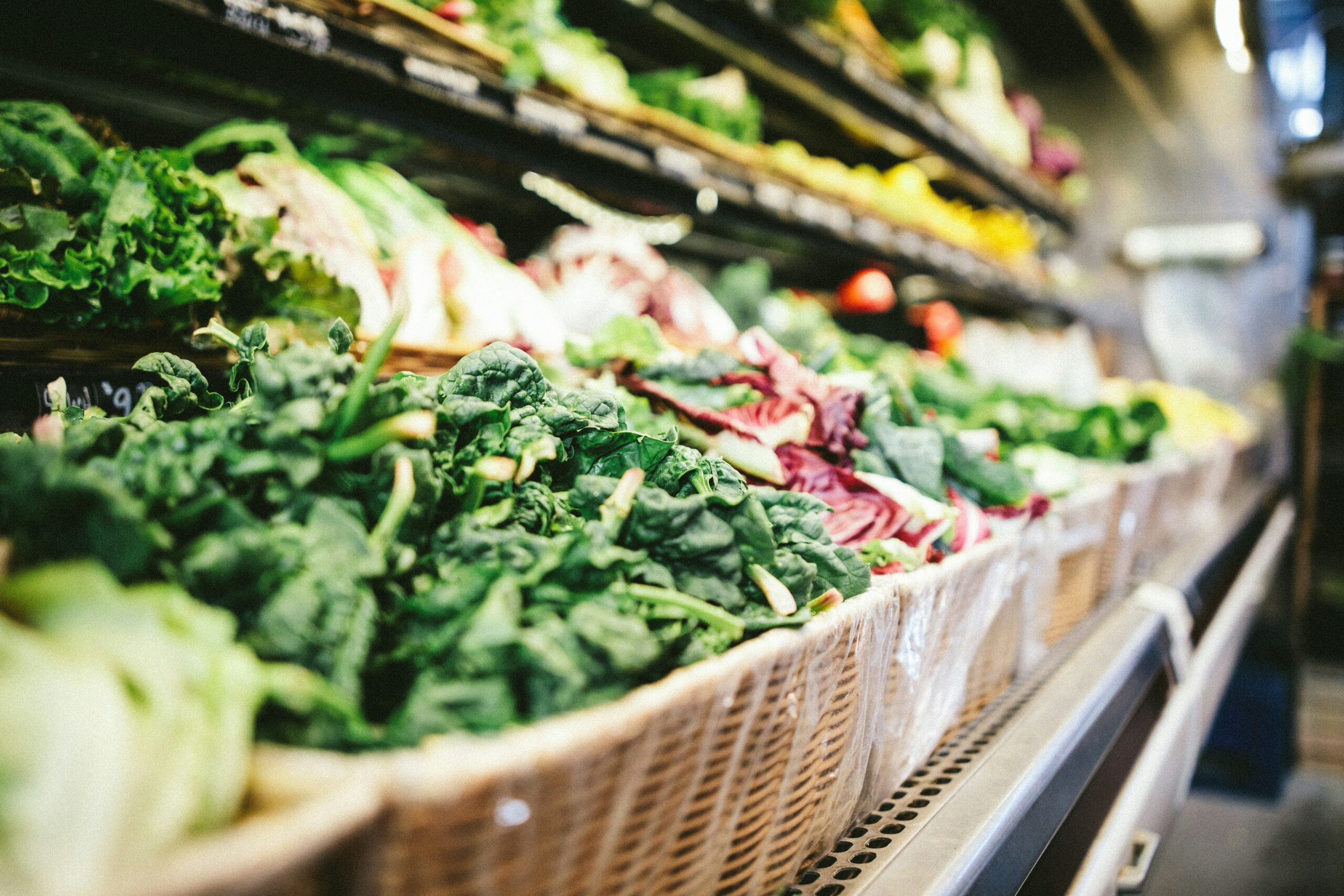
Fruit and vegetables: fresh, frozen, tinned or dried fruit and vegetables. Frozen and tinned foods can be especially useful when time, cost or storage space is limited.
Plant milks and other fortified foods: soy milk, oat milk, almond milk, vegan yoghurts and other fortified foods can be useful, especially where they provide calcium, vitamin B12 or vitamin D.
Condiments, herbs and spices: nutritional yeast, soy sauce, tamari, tahini, miso, vinegar, mustard, curry pastes, stock powder, garlic, ginger and a variety of dried herbs and spices.
Convenience foods: vegan burgers, sausages, deli slices, ready-made meals, sauces and snacks can be useful when needed, though everyday meals are often best built around a variety of less processed plant foods.
A useful way to build a meal is to include:
This can be as simple as:
Start with meals you already know. Many common meals can be made vegan with simple changes, such as using lentils in a pasta sauce, tofu in a stir-fry or plant milk in baking.
Plan a few meals ahead. Planning can help reduce food waste, save money and make it easier to prepare vegan meals, even on busy days.
Cook once, eat more than once. Soups, curries, pasta sauces, bean dishes and grain bowls can often be cooked in larger quantities and used over several meals.
Use flavour generously. Herbs, spices, garlic, ginger, chilli, lemon juice, soy sauce, tahini, nutritional yeast and roasted vegetables can make simple meals more satisfying, while also adding nutrients, antioxidants and other beneficial plant compounds.
Keep it flexible. Fresh food is useful, but frozen, tinned and dried foods are often just as practical. A meal does not need to be elaborate to be worthwhile.
Include variety over time. Eating a range of legumes, grains, vegetables, fruits, nuts and seeds helps make meals more interesting and supports good nutrition.
Vegan cakes, biscuits, pancakes, muffins and savoury baked foods can be made using animal-free ingredients. Mashed banana, apple sauce, flaxseed meal, chia seeds, aquafaba, silken tofu and commercial egg replacers can provide moisture, binding or lightness, depending on the recipe.
Plant milks, vegan margarines, oils and nut butters can also be used in many recipes.
See our guide to vegan baking without eggs for more ideas.
Food and cooking are only one part of vegan living, but eating well can make the practical side easier. A vegan diet supports good health when it includes enough food, variety and attention to key nutrients.
Vitamin B12 is essential and should come from a reliable supplement or fortified foods. Depending on the person and their circumstances, other nutrients such as vitamin D, iodine, calcium, iron, zinc and omega-3 fats may also need attention.
For more detail, see our vegan nutrition information.
Explore the articles below for more practical guidance on vegan food, cooking and nutrition.
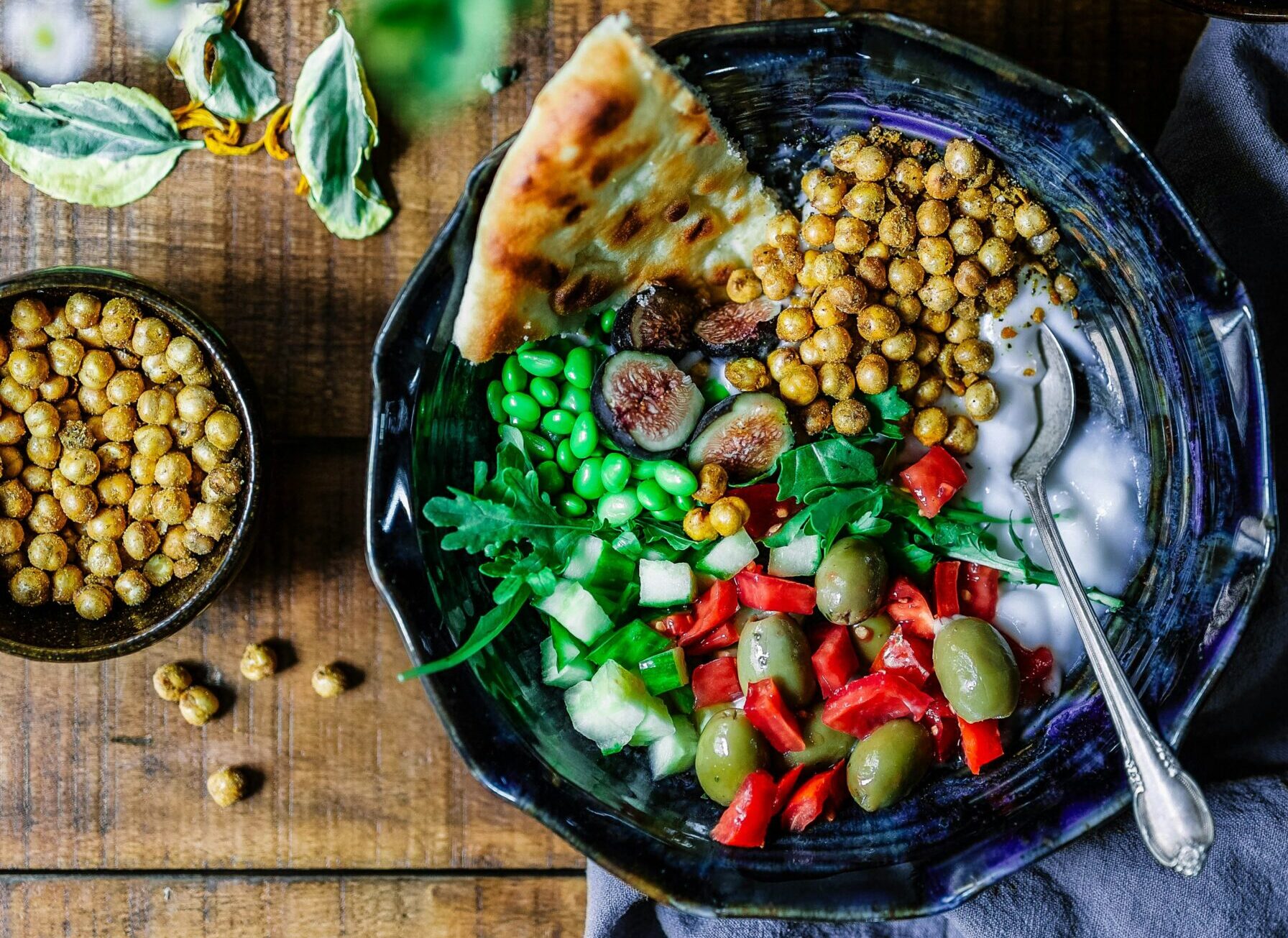 Eastern Mediterranean vegan cuisine
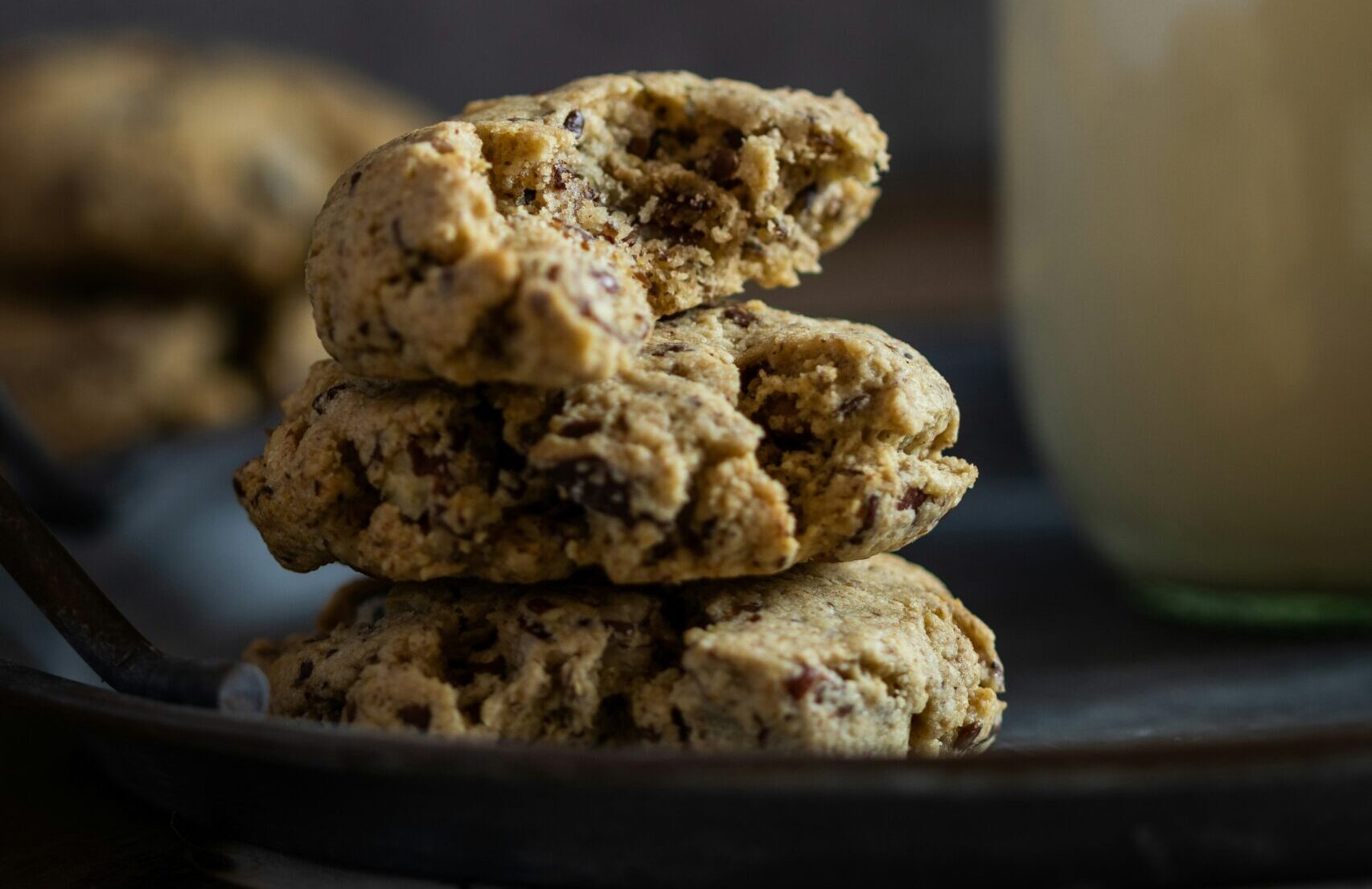 Egg substitute guide for vegan cooking
 Vegan recipes
 Vegan nutrition
 Getting started
Unsubscribe at any time. Your details are safe, refer to our privacy policy.
© Vegan Australia | Registered as a non-profit charity by the ACNC | ABN 21 169 219 854