
By Dr Helen Voronina
If you are vegan, you probably know where you get your protein and that you need a reliable source of vitamin B12. You may know that not all toothpastes and other dental products are vegan. You may even have a favourite calcium-fortified vegan milk.
But when was the last time you thought about what you eat and drink in relation to your teeth and gums?
As a vegan dentist, I find this surprisingly interesting because the mouth is often treated as though it exists separately from the rest of the body. We think about nutrition for our heart, gut, bones and brain, but somehow our teeth often get reduced to a simple formula: brush twice a day.
The reality is more interesting. Our diet, saliva, oral bacteria, gums and teeth are interacting every day. A well-planned vegan diet can support good health, but there are some things vegans should know about protecting their oral health too.
Being vegan and eating for good oral health are not automatically the same thing.
Take a smoothie made from bananas, dates, berries and calcium-fortified vegan milk. Nutritionally, it may contain plenty of useful nutrients. But from your teeth's perspective, important questions include how often they are exposed to sugar and acid and how long those exposures last.
Every time we consume sugars, bacteria in dental plaque can produce acids that lower the pH around our teeth. Saliva then helps neutralise those acids and supports the remineralisation of enamel. Problems can arise when that recovery process is repeatedly interrupted.
Someone who eats a small amount of something sweet every hour can expose their teeth to repeated acid attacks even if their total daily sugar intake is not particularly high. This is why frequent grazing can be more problematic for teeth than eating the same foods as part of a meal.
The same principle applies to naturally occurring sugars. Dates, dried fruit, maple syrup, agave, fruit juice and smoothies can all form part of a vegan diet, but 'natural' does not mean that sugars cannot contribute to tooth decay.
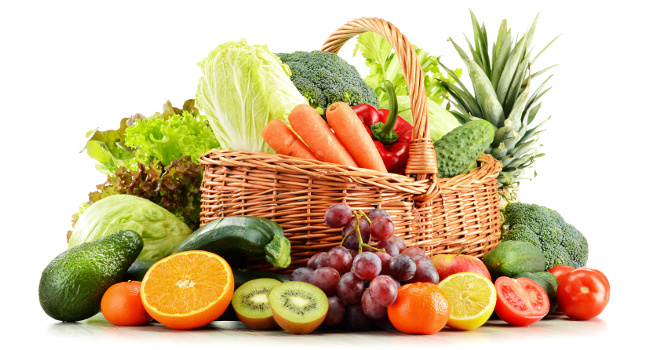
Whole fruit is nutritious, fibre-rich and an important part of a healthy diet. The useful distinction is frequency and form rather than fearing fruit. An apple eaten with lunch is very different from sipping apple juice throughout the morning. Eating some dates with a meal is different from repeatedly snacking on sticky dried fruit throughout the day.
Fruit provides fibre, vitamins, minerals and many beneficial plant compounds. But some fruits and fruit products are also acidic. Frequent or prolonged exposure to highly acidic foods and drinks, including citrus fruits, fruit juice and vinegar-based drinks, can contribute to dental erosion.
This is particularly worth considering if your diet contains unusually large amounts of fruit or acidic drinks. There is a substantial difference between eating a varied vegan diet containing fruit, vegetables, legumes, whole grains, nuts and seeds and repeatedly eating or drinking acidic fruit products throughout the day.
If you love fruit, keep eating it. Try to eat it as part of meals rather than continuously grazing and be particularly mindful of frequent exposure to fruit juice and other acidic drinks.
After acidic foods or drinks, rinse your mouth with water and avoid brushing immediately. Acid temporarily softens tooth enamel. Australian Dental Association advice recommends waiting about 60 minutes after acidic foods or drinks before brushing.[1]
This is where vegan nutrition and dental myths sometimes overlap.
For generations, many people have been told that cow's milk is essential for strong bones and teeth. Calcium is important, but consuming dairy products is not necessary to obtain it.
Teeth are highly mineralised structures and calcium and phosphate are important components of enamel. After teeth erupt, however, the mineral balance at their surfaces is continually affected by cycles of demineralisation and remineralisation in the mouth.
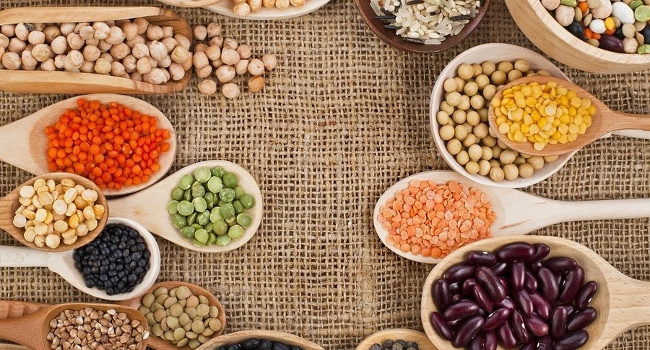
People who are vegan need the same amount of calcium as anyone else. Useful sources include calcium-set tofu and calcium-fortified vegan milks and yoghurts, as well as some green vegetables, legumes, tahini, nuts and seeds. Calcium content and absorption vary considerably between foods, so it is worth paying particular attention to reliable calcium-rich foods.
For example, Australian dietary guidance recognises calcium-fortified soy and other vegan milks containing at least 100 mg of calcium per 100 mL as a significant calcium source.[2]
Perhaps the most fascinating part of oral health is something you cannot see in the mirror.
Your mouth is home to a remarkably complex community of microorganisms. Bacteria, fungi and other microorganisms live on the tongue, teeth, gums and other surfaces. We hear a great deal about the gut microbiome, but the oral microbiome is another large and complex microbial ecosystem.
A healthy mouth is not a sterile mouth. The aim is to maintain an oral environment that does not favour the development of disease.
Diet is one of many factors affecting this environment. Sugars, acidity, saliva, oral hygiene and how frequently we eat all interact with the oral microbiome.
Research into the relationship between dietary patterns and the oral microbiome is still developing. We should therefore be cautious about claims that a particular diet automatically produces a particular 'healthy' microbiome.
Tooth decay receives a great deal of attention, but gum disease is also important.
Periodontitis is a chronic inflammatory disease affecting the tissues supporting the teeth. If untreated, it can cause loss of supporting bone and eventually tooth loss.
Some research suggests that vegan and vegetarian dietary patterns may be associated with better periodontal health than omnivorous diets. A 2023 systematic review and meta-analysis of 22 studies found better overall periodontal measures among vegan and vegetarian participants. The same review, however, found greater dental erosion among vegans and vegetarians.[3]
These findings need to be interpreted cautiously. Much of the research is observational and other lifestyle factors may contribute to the differences. A further systematic review published in 2024 concluded that vegetarian diets may affect periodontal health, dental erosion and the oral microbiome but that the available evidence was not sufficient to establish firm conclusions.[4]
A vegan diet therefore should not be regarded as protection against gum disease. Dental plaque and oral hygiene remain extremely important, so daily care still matters.
Here is an interesting one for tea drinkers.
Green tea contains compounds called catechins, which have been studied for possible effects on oral bacteria and periodontal health. Some laboratory and clinical research has produced promising findings, but the evidence is not strong enough to treat green tea as a dental treatment.
If you enjoy unsweetened green tea, there is no need to stop. But drinking it is not a replacement for brushing with fluoride toothpaste, cleaning between your teeth and obtaining professional dental care when needed.
Veganism extends beyond food, so it is reasonable to ask whether products and materials used in dentistry contain animal-derived ingredients.
Toothpaste, floss, mouthwash, polishing pastes, medications, sutures, grafting materials and other dental products may contain animal-derived ingredients or materials or may have been tested using animals.
In my own practice, I try to use alternatives that are consistent with vegan principles where suitable products are available and clinically appropriate.
Patients can also ask their dentist about the materials being proposed for treatment and whether suitable animal-free alternatives are available.
A product being labelled vegan does not, however, tell us whether it is effective for a particular dental purpose. Dental products still need to be safe, effective and appropriate for the person's needs.
Vegan principles and evidence-based dentistry are entirely compatible.
Oil pulling is widely promoted online with claims that it can 'detox' the body, prevent cavities and improve general health. Research has found some possible effects on oral bacteria and gum measures, but the evidence remains of low certainty and it should not replace established oral hygiene practices.[5]
There is nothing wrong with swishing coconut or another vegan oil around your mouth if you enjoy doing it, but it is not a substitute for brushing with fluoride toothpaste and cleaning between your teeth.
The same caution applies to charcoal toothpaste, homemade dental products and other internet trends. Reviews of charcoal-based dental products have found insufficient evidence to support many of the health and whitening claims made for them and have raised questions about their safety and abrasiveness.[6]
Being evidence-based does not mean abandoning vegan principles. It means applying those principles while also using the best available evidence about maintaining health.
A well-planned vegan diet can support good health, but a nutritious diet does not guarantee healthy teeth and gums.
How often your teeth are exposed to sugars and acids, your saliva, oral hygiene and individual health factors all matter.
So enjoy beans, greens, fruit and the enormous variety of other vegan foods. Make sure you obtain vitamin B12 and enough calcium. Drink water and give your teeth time to recover between exposures to sugars and acids.
Brush for two minutes twice a day with fluoride toothpaste, clean between your teeth daily and see a dental professional regularly according to your individual needs.[7]
Being vegan is entirely compatible with maintaining healthy teeth and gums.
Dr Helen Voronina is a Melbourne dentist with extensive experience in general and implant dentistry. She graduated with a Bachelor of Dental Science from the University of Melbourne and has undertaken advanced training in implant dentistry. She has been vegan for more than 30 years and has a particular interest in the relationship between veganism, nutrition and oral health. You can learn more about her work at Dr Helen's Dental & Implant Studio.
Unsubscribe at any time. Your details are safe, refer to our privacy policy.
© Vegan Australia | Registered as a non-profit charity by the ACNC | ABN 21 169 219 854