
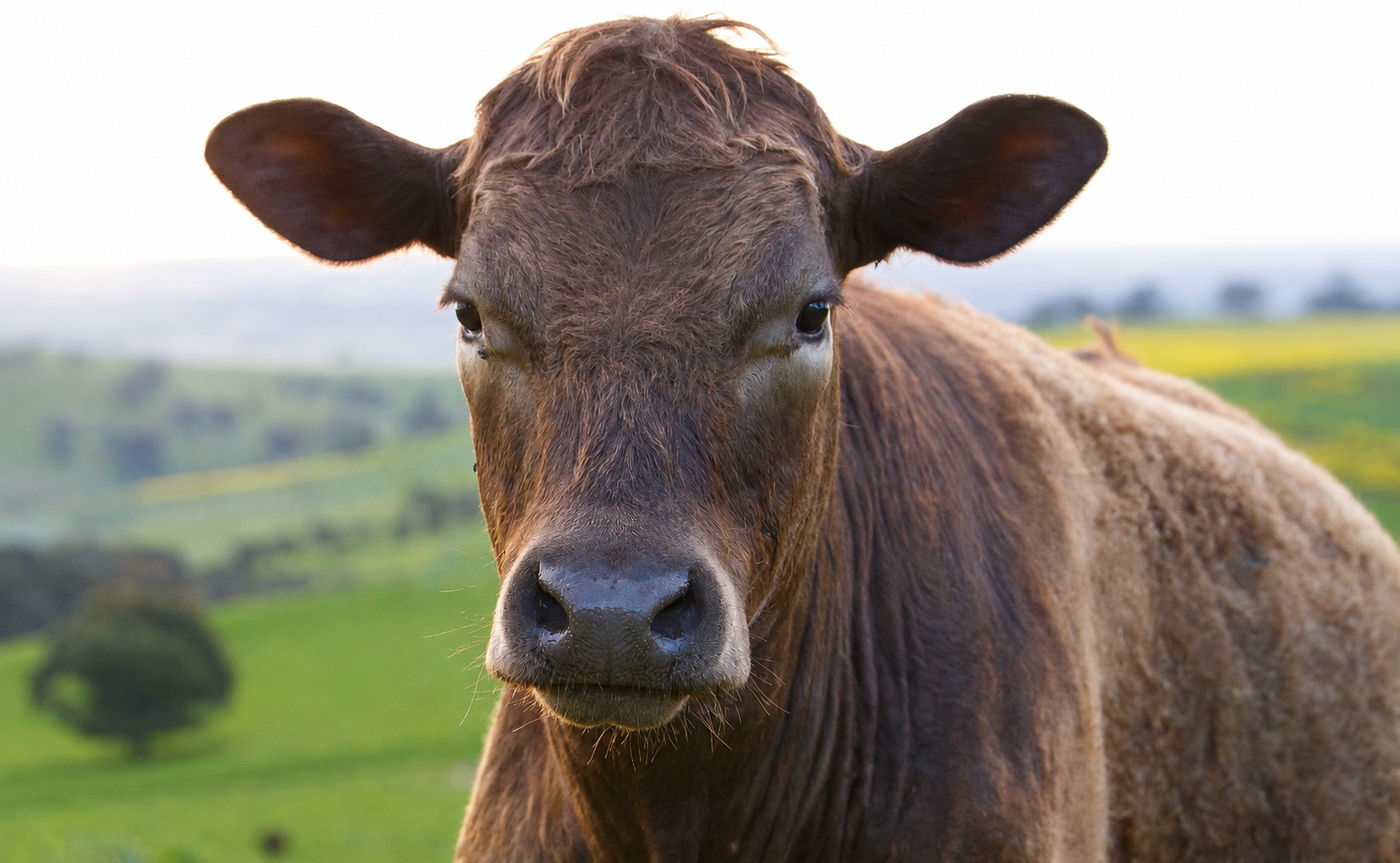
Veganism begins from the recognition that our fellow animals are sentient individuals with their own lives, interests and relationships. Because their lives matter to them, we should not treat them as resources, property or objects for human use. This understanding places veganism within a broader commitment to justice, non-violence and respect for the rights of all sentient beings.
Vegan Australia is an abolitionist animal rights organisation working for animal liberation: the end of the exploitation, use, ownership and objectification of other animals by humans. Our role is to promote veganism as the ethical and practical response to these injustices, and to build public understanding that veganism is not about improving animal use, but ending it.
The concepts in this page lay the groundwork for all campaigns and advocacy carried out by Vegan Australia, including how they shape the language and communications we use.
Every individual animal, simply by being sentient and capable of experiencing life, joy and suffering, possesses inherent rights.
These basic rights to their own life, body and freedom are not privileges granted by humans, but arise from the animal's own interest in living, avoiding suffering and experiencing freedom. These rights are an expression of basic fairness.
This rights-based approach is grounded in the idea that justice should not depend on species membership. Speciesism is discrimination against individuals based on their species. It treats the interests of humans as more important than the similar interests of other animals simply because they are not human. Speciesism is incompatible with a just and ethical society.
Recognising rights, including the rights of animals, is a matter of justice, respect and fairness and is not dependent on the mercy, kindness or compassion of humans. Compassion and kindness are good and important, but they are not compulsory, like rights.
Animals matter morally because they are sentient. Sentience means subjective awareness: the ability to have experiences, including feelings and sensations. A sentient being is not merely alive or responsive; there is someone who perceives and experiences the world, and whose life can go better or worse for them.
Sentience is the basis for recognising that animals deserve moral consideration and have rights to their own lives, bodies and freedom. Those rights do not depend on intelligence, language, usefulness to humans or any other cognitive trait. They are grounded in the fact that animals are individuals whose lives matter to them.
At its core, veganism is about justice. It recognises that our fellow animals are sentient individuals with their own lives, experiences, preferences and relationships. They live for their own sake, not ours, and their interests in continuing to live, maintaining bodily integrity and experiencing freedom matter independently of human use or approval. Veganism is about respecting the rights of animals.
Veganism rejects the idea that humans are entitled to exploit, own or use animals for food, clothing, entertainment, experimentation or any other purpose. Its goal is not to regulate animal use within a system that views animals as property, but to abolish that use altogether. In this sense, veganism is a movement for animal liberation: not improving the welfare of animals within systems of use, but ending those systems.
Veganism is a social justice movement, alongside other progressive movements that oppose domination, discrimination and the treatment of individuals as resources, commodities or property. It strives for a world where the fundamental rights of our fellow animals are respected, including their rights to their own lives, bodies and freedom, and their right not to be objectified, owned or treated as resources. Veganism is a radical movement that seeks to change how we see animals, to uphold and protect their rights and to end speciesism.
Veganism is therefore an ethical and political response to the exploitation and use of animals, not merely a diet, lifestyle trend or consumer identity. In personal terms, it means not only recognising the rights of animals, but also living in alignment with that respect as far as possible and practicable.
As a way of living, veganism puts these principles into practice by avoiding participation in the exploitation and use of animals for food, clothing, entertainment or any other purpose.
In dietary terms, this means not consuming products derived from animals, or products where animals have been used in production or testing.
This is not merely a matter of preference. The production of animal products necessarily involves the use, control and exploitation of animals, and results in suffering or death. Humans do not need animal products in order to live healthily; vegan diets can be healthy and nutritionally adequate. For this reason, using animals for food cannot be justified by necessity.
Because we live in a deeply non-vegan world, it is sometimes not possible to avoid all harm to animals, such as when taking necessary medication that has been tested on animals or using essential services that may have involved animal use somewhere in their supply chains. But whenever we are able to avoid using or harming animals, we should do so.
Since most people already believe that it is wrong to cause unnecessary suffering and death to animals, veganism can be understood as a way to bring actions into alignment with values of non-violence and respect for others.
Being non-vegan violates the rights of our fellow animals to their bodies, lives and freedom. Habit, taste, convenience, culture and tradition are not adequate reasons to violate the rights of others.
While veganism includes avoiding products and practices involving animal exploitation, its deeper purpose is to challenge the belief that humans are entitled to use other animals as resources. This includes opposition to breeding animals for human purposes; killing animals for food or other products; confinement and forced reproduction; using animals in entertainment, experimentation or sport; and the ownership and commodification of sentient beings.
The role of organisations like Vegan Australia is to help end the exploitation and objectification of other animals by humans by encouraging individuals and institutions to change their attitudes and behaviour, with the aim of abolishing the use of animals for any purpose, including food, clothing and entertainment.
Clearly, the focus of veganism is opposition to the exploitation of our fellow animals. Creating a just and ethical world for animals is the central ethical reason for veganism. But, as we move towards a vegan world, we will find that there are a number of other direct benefits for humans and the planet, due to the reduction and elimination of the production and consumption of animal products.
These benefits are well known and include:
Along with the focus and direct benefits of veganism, there are other issues that follow from its core ethical principles. This can be understood as the wider scope of veganism. Donald Watson, one of the early pioneers of modern veganism, said "veganism is the opposition to the exploitation of sentient life" and here he includes human life. The wider scope of veganism is based on the recognition of the connections between the exploitation of animals and wider systems of violence, domination and discrimination, including on the grounds of sex, sexuality, gender, race, identity, disability, culture and class.
Many early pioneers of modern veganism, including figures such as Donald Watson, Eva Batt, Leslie Cross and Kathleen Jannaway, were shaped by a period marked by war, violence and global instability, and many were connected with peace, non-violence or broader social reform traditions. Their work suggests that the normalisation of human domination over our fellow animals was not an isolated issue, but part of a wider pattern of violence, exploitation and injustice. Understanding this historical background helps place veganism within a broader ethical tradition concerned with justice, non-violence and respect for sentient life.
Also included in the scope of veganism is the recognition of the continuing effects of colonisation on First Nations peoples in Australia and worldwide. It acknowledges the rights of First Nations communities and their continuing connection to land, waters and culture.
To sum up, these three areas are all important parts of vegan advocacy, but differ in emphasis:
While the scope of veganism is broad, Vegan Australia must concentrate its limited resources on a few key areas. In Australia there are many organisations advocating for animal welfare, environmental protection, public health or broader social justice issues, but there are relatively few organisations explicitly and consistently advocating for the abolition of the use of animals itself. This is a neglected area of advocacy that Vegan Australia can strategically address.
By focusing on abolitionist vegan advocacy, Vegan Australia can provide a clear and consistent voice for the principle that our fellow animals are not objects to be used for human purposes, but sentient beings with their own lives and interests.
This focus does not imply indifference to other social justice issues. Rather, it reflects the recognition that there is a major gap in public advocacy for animals themselves.
Vegan Australia builds awareness among both vegan and non-vegan audiences about the goal to abolish the use of animals, including in animal agriculture. We advocate for the end of animal agriculture and other uses and not just for the end of 'factory farming' or 'intensive animal agriculture'. We do not advocate to end 'cruel' uses of animals, but all uses. The concepts of 'factory farming' and 'cruelty' are used by many other animal organisations. Vegan Australia's role is to make clear that veganism is not about improving the conditions in which animals are used, but about ending animal use and exploitation itself.
Veganism is grounded in the recognition that our fellow animals are sentient individuals with their own rights, interests and lives. Respecting those rights requires more than concern for their treatment; it requires opposition to their exploitation and use. Vegan Australia's work is guided by this abolitionist principle: that animals are not here for us, and that justice requires a world in which they are no longer treated as property, resources or objects for human purposes.
This provides a consistent ethical framework that helps guide Vegan Australia's campaigns, communication, education and public advocacy, and supports our work to build a more just, peaceful and respectful world for all sentient beings.
Unsubscribe at any time. Your details are safe, refer to our privacy policy.
© Vegan Australia | Registered as a non-profit charity by the ACNC | ABN 21 169 219 854