

A vegan diet supports good health when it includes enough food, variety and attention to key nutrients. People can meet their nutrition needs while eating vegan, and learning a few nutrition basics can make everyday meals easier and more reliable.
Vegan nutrition does not need to be complicated. A useful starting point is to eat a variety of legumes, grains, vegetables, leafy greens, fruits, nuts and seeds, while paying particular attention to nutrients such as vitamin B12, vitamin D, iodine, calcium, iron, zinc and omega-3 fats.
A varied vegan diet can provide protein, carbohydrates, fats, vitamins, minerals, fibre and many beneficial plant compounds. Different plant foods provide different nutrients, so variety across the day and week is more important than trying to make every meal perfect.
A balanced vegan meal might include a protein-rich food such as beans, lentils, chickpeas, tofu, tempeh or seitan; a grain or starchy food such as rice, oats, pasta, bread, noodles or potatoes; vegetables or fruit; and nuts, seeds, avocado, olives or other sources of fats where they suit the meal.
Specific nutrition needs vary from person to person, depending on factors such as age, sex, activity level, health conditions, pregnancy, breastfeeding and other circumstances.
Fresh foods are useful, but they are not the only good option. Frozen, tinned, dried and refrigerated foods can make vegan eating easier, cheaper and more flexible.
Frozen vegetables, tinned beans, lentils and chickpeas, tinned tomatoes, dried fruit, long-life plant milks and refrigerated tofu or tempeh can all be useful staples. They can help make meals quicker and reduce food waste.
Other practical steps include:
Some nutrients need particular attention when living vegan. Vitamin B12 is essential and should come from a reliable supplement or fortified foods. Depending on the person and their circumstances, vitamin D, iodine, calcium, iron, zinc and omega-3 fats may also need attention.
The nutrition information on our website is general information only and is not intended to replace medical or specialist health advice. If you have specific dietary concerns, health conditions, allergies, are pregnant or breastfeeding, or have higher nutritional needs, seek advice from a suitably qualified health professional.
 Vegan diets and oral health
 What every vegan should know about B12
 Carbs are not the enemy
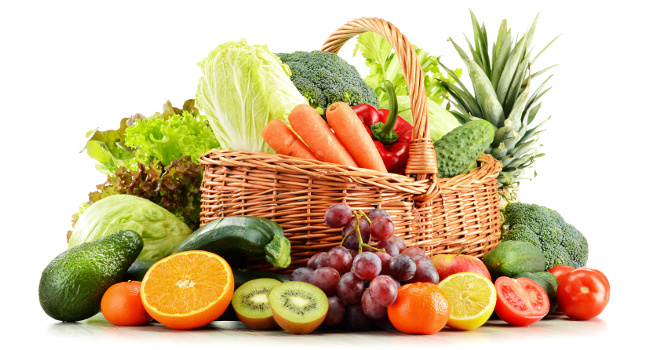 Nutrients in a vegan diet
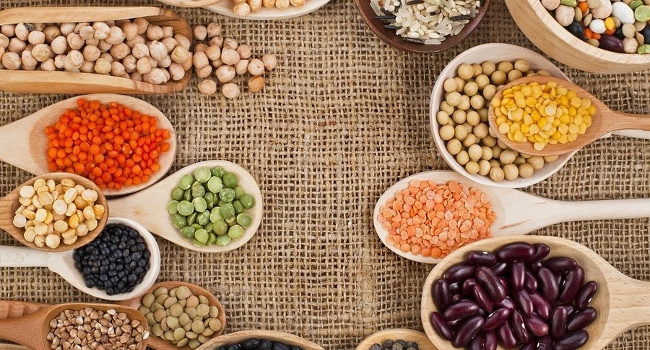 Where do you get your protein?
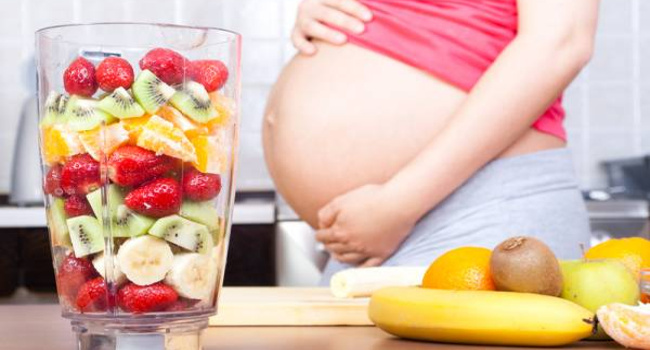 Veganism and pregnancy
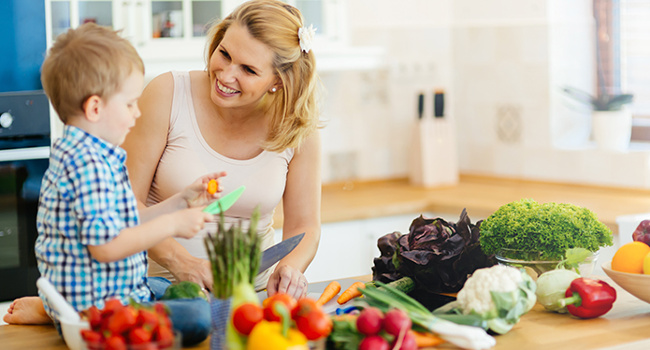 Feeding children a vegan diet
 Fruit and vegies can make you happier
 Take your vitamin B12, or risk feeling sad!
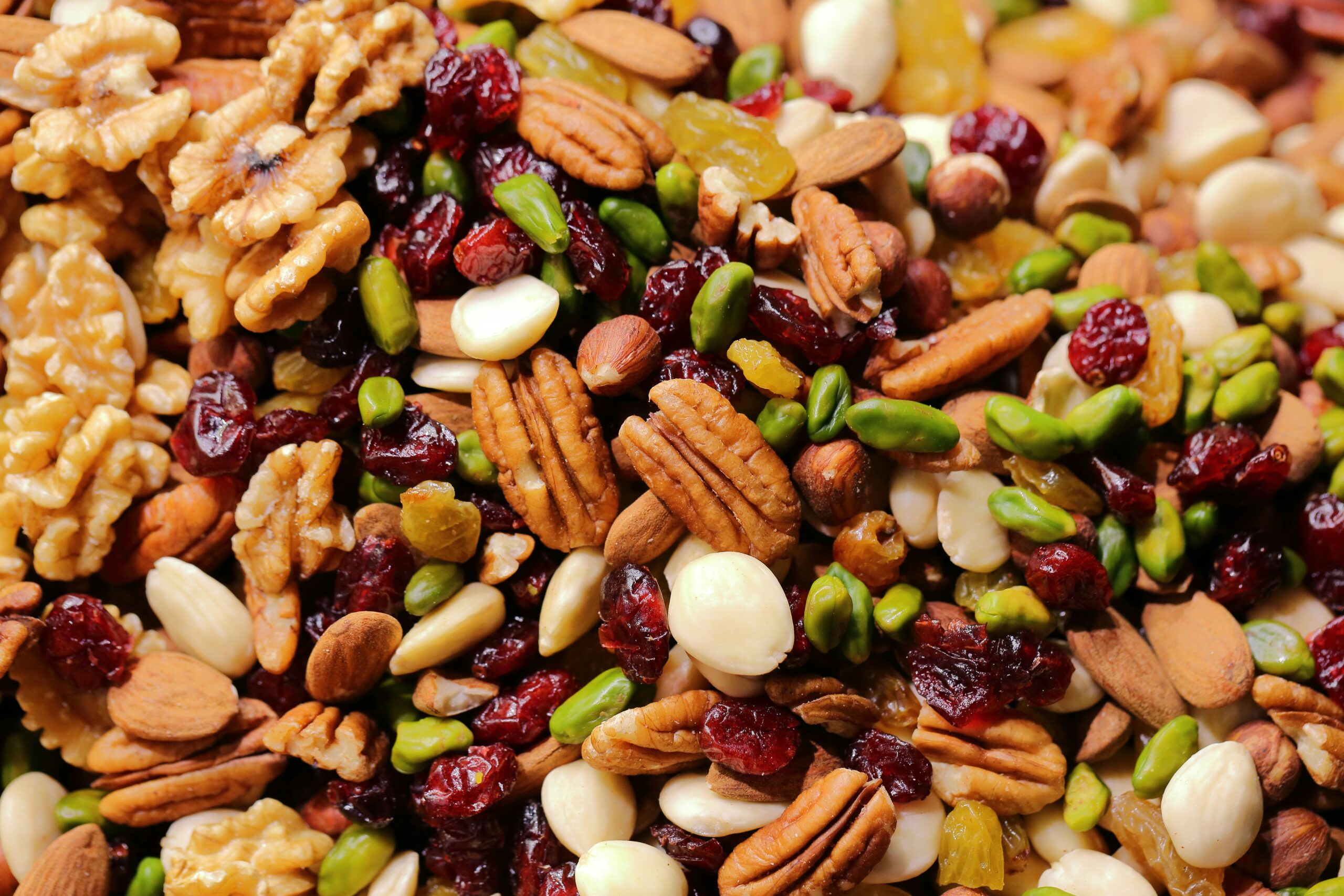 Eat more nuts - it could save your life
Unsubscribe at any time. Your details are safe, refer to our privacy policy.
© Vegan Australia | Registered as a non-profit charity by the ACNC | ABN 21 169 219 854